
Supplement Recipe Check
Boron Ingredient Notes
Read the limits of boron research on hormones and joint discomfort, and compare elemental amounts, forms, intake limits and overlapping supplements.
Distinguish elemental boron (mg) from the weight of its source compound. Small hormone and joint studies do not establish benefits for every product or a personal recommended dose.
This page is for general reference, not diagnosis, treatment, a prescription or personal dosing advice. Seek qualified advice for persistent symptoms or medical decisions.
Sources checked:
What is boron?
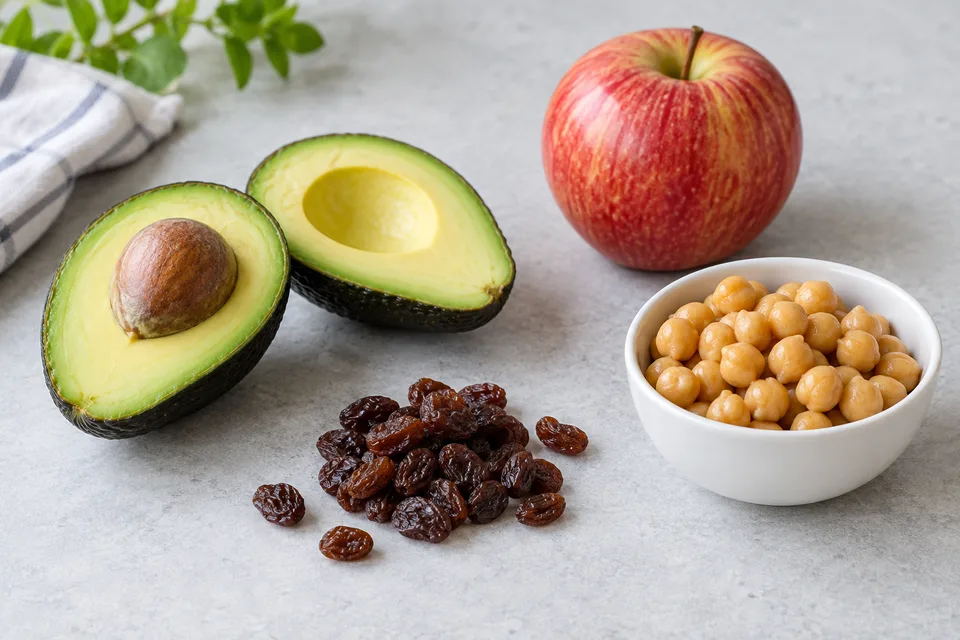
Boron is a trace element in foods such as fruit and legumes. It is not established as essential for humans, and no US RDA or Adequate Intake has been set. Routine supplementation is not an established need for every healthy adult.
What to check on the label
- The Boron entry in Supplement Facts gives elemental boron, not the entire compound weight. Compare the same serving size.
- Boron citrate, boron glycinate and calcium fructoborate are source forms. Direct comparisons of their bioavailability are lacking.
- Label-reading example: if a serving is two capsules and lists 3 mg of boron, those two capsules provide 3 mg, not 6 mg. Include boron in any multi-mineral product when checking your total.
Questions before taking a supplement
Does boron reliably raise testosterone?
A one-week study in eight healthy men reported changes in some hormone measurements. However, a seven-week randomized, placebo-controlled study in 19 male bodybuilders found no added effect on testosterone, lean mass or strength. These small studies differ in design and participants. They do not establish treatment for low testosterone or reliable muscle-building benefits.
Naghii et al. (2011): short-term hormone study · Ferrando & Green (1993): randomized bodybuilding study
Can it help with joint discomfort?
In a randomized trial of 60 adults with self-reported knee discomfort, calcium fructoborate improved pain and function questionnaire scores versus placebo at day 14. This short, form-specific study did not establish cartilage regrowth, long-term arthritis treatment or equivalent benefits from other boron compounds.
Should I choose 3 mg or 6 mg?
A marketed strength is not a personal recommendation. The US upper limit for adults aged 19 and over is 20 mg daily; EFSA lists 10 mg for adults. These apply to total intake from food, drinks and supplements, not a target dose for benefit. Check overlapping products and discuss whether supplementation is needed before choosing a strength.
Can I use borax or boric acid instead?
Do not swallow household borax or boric acid products used for cleaning or pest control as a substitute for supplements. High exposures can cause vomiting or diarrhea, and severe poisoning can damage organs including the kidneys. After accidental ingestion, contact your local poison service or emergency medical service promptly; do not wait for symptoms or induce vomiting yourself.
Poison Control: Borates, borax and boric acid · Poison Control: First aid for poisonings
When to seek advice first
Do not apply adult supplement amounts to children or assume they are suitable during pregnancy or breastfeeding. Seek medical advice before self-directed high-dose use, particularly with kidney disease or ongoing treatment. Boron is mainly eliminated in urine, and upper limits differ by age.
ATSDR: Public Health Statement for Boron · EFSA: upper intake levels (August 2025)
Related ingredient notes
Related reading, not a recommendation to combine supplements.
Search results are not product recommendations or proof of benefit. Check the full label and serving size.
Editorial update:
Leave a quick note about this ingredient