
Supplement Recipe Check
How to Compare Omega-3 EPA and DHA Amounts
An independent reference guide to ingredient forms, characteristics, and key considerations.
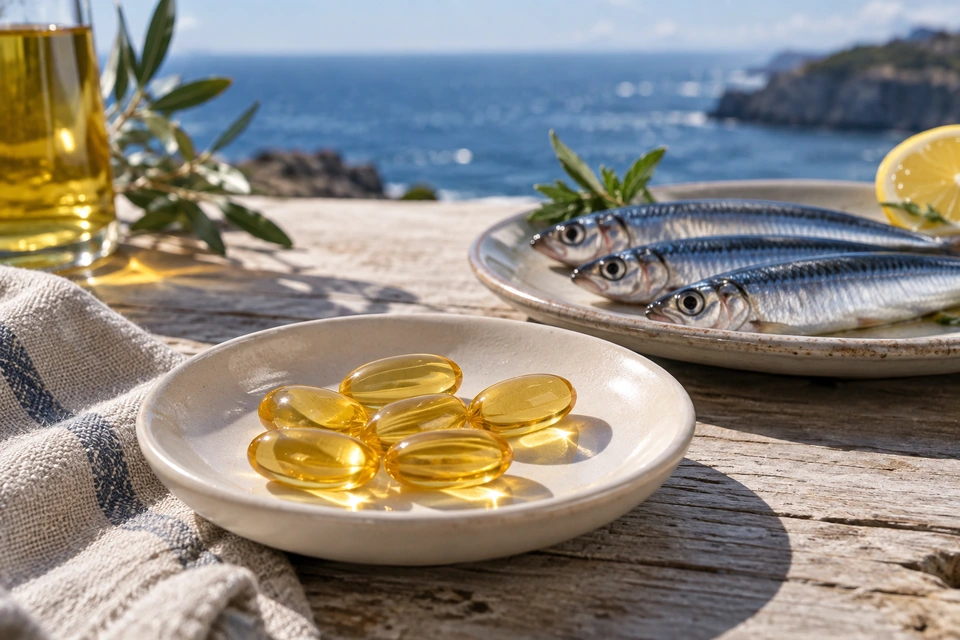
For omega-3 products, compare EPA and DHA per serving rather than relying on the larger fish-oil number on the front label.
Community experiences
Selected positive personal experiences from external communities, edited and summarized. These accounts do not establish effectiveness.
A contributor who usually ate fish about twice a month tried supplements one at a time and tracked changes in a table. After taking omega-3 for about two months, they felt their skin looked healthier and their mood was calmer, even though their lifestyle and daily routine had not changed much. They described being happy with the changes while acknowledging that expectations might have played a part.
Experience shared by external community contributor A
A contributor who had taken a fish-oil product for about two years said that around five to six months after starting, episodes of painfully dry eyes became less frequent. They continued taking it because dryness seemed more noticeable again during breaks. They also used preservative-free artificial tears and maintained an eyelid-care routine, explaining that several care habits had helped together.
Experience shared by external community contributor B
This page is for general reference only and is not medical advice, diagnosis, treatment, or prescription. Research and regulatory status can change, so ask a qualified professional when medical judgment is needed.
Questions before taking a supplement
Sources checked:
Which foods provide omega-3s?
Oily fish supply EPA and DHA; walnuts and flaxseed mainly supply ALA. Conversion from ALA to EPA and DHA is limited, so their amounts are not interchangeable.
Source: NIH ODS: Omega-3 Fatty AcidsHow should I decide whether to take fish oil?
If you rarely eat fish, consider adding oily fish or, when that is impractical, an EPA/DHA supplement from fish or algae. The AHA recommends two fish servings weekly, about 85 g cooked per serving. Healthy adults already eating fish regularly do not automatically need extra fish oil. High triglycerides on a blood test call for a treatment discussion, not simply a larger supplement dose.
Source: NIH ODS: Omega3 Fatty Acids · Source: American Heart Association: Fish and Omega-3 Fatty AcidsDoes the fish-oil amount tell me my daily dose?
No. Total fish oil differs from EPA plus DHA. US dietary reference intakes establish an amount for ALA, not a general recommended EPA/DHA amount. Do not convert one into a personal dose.
Source: NIH ODS: Omega-3 Fatty Acids2026 search trend
Omega-3 ranked third in ConsumerLab’s 2026 popularity list, and an India-focused supplement survey also reported positive usage growth. Searches increasingly focus on EPA and DHA amounts rather than generic fish-oil labels.
What to compare on product labels
- Add the EPA and DHA amounts in Supplement Facts instead of relying on “1,000 mg fish oil.”
- Check whether one serving is one softgel or several before comparing price.
- Review source and allergen information for fish, krill, or algal oil.
- Separate plain omega-3 products from blends that add vitamin D, CoQ10, curcumin, or other ingredients.
Other names and search terms
Ingredients often compared together
Cautions
- Fishy taste, heartburn, nausea, or stomach discomfort can occur.
- High doses may interact with anticoagulant medicine.
- EPA and DHA needs vary by purpose and individual health status.
Check products on Supplecipe
Search by ingredient and amount, use the single-ingredient filter, and open the full label to check candidate products.
Detailed Omega-3 search
Leave a short note